If you picture Franklin Street as only a game-day destination or late-night strip, you miss what makes it such a central part of Chapel Hill life. For many people, this corridor is where coffee runs, quick errands, casual dinners, campus trips, and community events all happen in the same walkable area. If you are thinking about living near downtown Chapel Hill, understanding that daily rhythm can help you decide whether Franklin Street fits your lifestyle. Let’s dive in.
Franklin Street at a glance
Franklin Street is the mixed-use corridor that connects downtown Chapel Hill with the UNC campus area. According to the Downtown Chapel Hill Partnership, it is the heart of downtown’s shop-and-dine district and one of the town’s most recognizable gathering places.
That daily identity is shaped by more than restaurants and foot traffic. The Town’s 140 West Franklin Plaza adds public open space, more than 26,000 square feet of retail space, and covered parking, making the area a practical stop as well as a social one.
Different blocks, different pace
One of the most useful things to know about Franklin Street is that it does not feel the same from end to end. Chapel Hill planning documents break the corridor into distinct sections, including the Central Business District, University Square, and the West Franklin Street District.
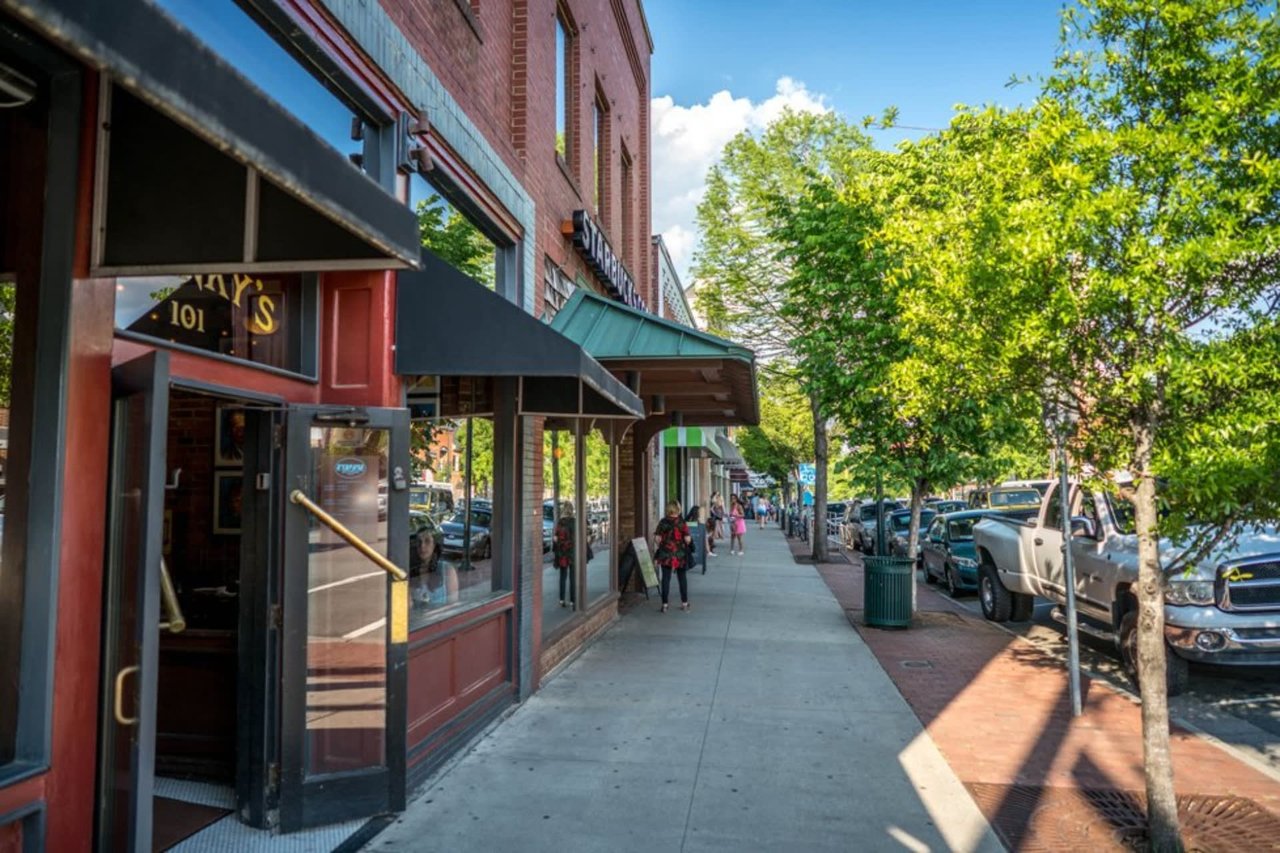
That matters because your day-to-day experience can change block by block. The 100-block of East Franklin is described as a spot with small eating establishments and retail shops serving the university community, while West Franklin includes restaurants, specialty stores, and service businesses with a somewhat quieter pace than the busiest downtown core.
In plain terms, some parts of Franklin Street feel busiest and most active, while other sections feel a little more relaxed. If you want to live nearby, that difference can shape where you look and how close you want to be to the center of the action.
Daily routines around Franklin Street
For many residents, Franklin Street works best as an everyday convenience zone. You can grab coffee, meet a friend, pick up a gift, stop for lunch, or head toward campus without needing a complicated plan.
Current visitor guides highlight several familiar coffee stops nearby, including Perennial Cafe, Tea Hill, Carolina Coffee Shop, and Epilogue Books Chocolate Brews. Carolina Coffee Shop also brings a sense of continuity to the street, since Visit Chapel Hill identifies it as the oldest continuously running restaurant in North Carolina.
Dining options are broad enough that Franklin Street can fit almost any part of your day. The downtown dining directory includes names like Top of the Hill, Franklin Motors Beer Garden, Carolina Brewery, Buns, Cosmic Cantina, and more, which supports the idea that breakfast, lunch, dinner, and late-evening plans can all happen within a compact area.
Retail adds another layer to daily life here. The downtown shops directory includes apparel, gifts, jewelry, specialty retail, and destinations like Morehead Planetarium and Science Center, so a trip to Franklin Street can be about much more than dining alone.
Walkability and transit matter here
One reason Franklin Street stands out is that you can often move through the area without depending entirely on a car. Visit Chapel Hill describes downtown as part of the town’s social hub and emphasizes the role of walkability and free public transportation in how people experience the area.
That transit piece is significant in everyday life. Chapel Hill Transit says it operates 21 routes and provides more than 7 million rides per year, and the system has been fare-free for more than 20 years.
For people who move between downtown and campus often, that can make routines much simpler. The same transit information notes that the U Route links East Franklin near Carolina Coffee Shop with UNC campus stops, which helps explain why Franklin Street functions as both a downtown destination and a practical connector.
How game days change the feel
On a normal weekday, Franklin Street can feel like a lived-in downtown corridor. On game days, it often feels bigger, louder, and more crowded because it becomes part of the transportation and activity network tied to UNC athletics.
The Town’s Tar Heel Express service lists Downtown Chapel Hill and Franklin Street as a boarding location for both football and basketball. For football, service begins four hours before kickoff, and for basketball, service starts 1.5 hours before tip-off, with the Franklin Street stop noted near Carolina Coffee Shop.
That is an important detail if you are thinking about living nearby. It means the area is not just a pregame hangout. It is also a practical launch point for getting to events, which can add convenience if you enjoy that energy and a little extra planning if you prefer quieter days.
Franklin Street also stays active beyond athletics. The Town notes that 140 West Franklin Plaza is used for numerous downtown events, reinforcing the area’s role as a shared civic space for arts, gatherings, and seasonal activity.
Living near Franklin Street
If you want to enjoy Franklin Street regularly, you have a few different residential contexts to consider. Visit Chapel Hill identifies nearby areas such as Downtown Chapel Hill, the UNC area, Northside, and Carrboro as closely connected to this part of town.
Each option offers a different relationship to the corridor. Some homes and rentals place you right in the middle of downtown activity, while others put you close enough to walk, bike, or take transit in without being on the busiest blocks.
Downtown and UNC proximity
If being able to step out for coffee, dinner, errands, or campus access matters most, downtown Chapel Hill and the UNC area naturally sit closest to the action. Visit Chapel Hill describes downtown as the city’s social hub and notes that the UNC neighborhood leads directly to bustling Franklin Street.
That setup tends to appeal to people who want a more connected, on-the-go routine. You may trade some quiet for convenience, but for the right lifestyle, that trade-off can make sense.
Northside and nearby residential blocks
Northside offers a useful contrast to the downtown core. The Town describes Northside as a centrally located, multi-generational residential neighborhood near UNC and the downtowns of Chapel Hill and Carrboro.
That description matters because it highlights balance. You can be near Franklin Street’s activity while still living in a primarily residential setting that connects easily to both Chapel Hill and Carrboro.
Historic districts shape the setting
The surrounding built environment also influences how nearby living feels. Chapel Hill identifies Franklin-Rosemary, Cameron-McCauley, and Gimghoul as local historic districts, which helps preserve older street patterns and residential character around downtown.
The Franklin-Rosemary area is especially notable because historic district guidance says it includes a number of historically commercial buildings, many of them along Franklin Street. That helps explain why some nearby blocks feel more mixed-use, while others transition more clearly into residential streets.
Franklin Street is still evolving
Another part of everyday life here is change. Downtown Chapel Hill notes that some storefronts closed after the pandemic, while new restaurants continue to open on Franklin Street.
That gives the corridor an active, not frozen, feel. Franklin Street has continuity, but it also keeps adapting, which is part of why it remains relevant to students, long-time residents, visitors, and people moving into Chapel Hill for the first time.
Is Franklin Street right for your lifestyle?
Franklin Street makes the most sense if you value access, activity, and variety in your daily routine. It is a place where coffee shops, restaurants, retail, events, transit, and campus connections overlap in a compact area.
It may be especially appealing if you want to spend less time driving, enjoy being near public events, or like having multiple dining and shopping options close at hand. If you prefer a little more separation from crowds, nearby residential areas can still keep you connected without placing you on the busiest stretch.
If you are weighing where to buy, rent, or invest near downtown Chapel Hill, it helps to look beyond the headline reputation and focus on the actual routine. Franklin Street is not just where people go out. It is where a lot of Chapel Hill life happens every day.
If you want help thinking through Chapel Hill neighborhoods, downtown access, or rental and ownership options near Franklin Street, connect with Chris & Kevin Knapp - Main Site. Their local, process-driven approach can help you make a clear, informed next move.
FAQs
What is Franklin Street like for everyday life in Chapel Hill?
- Franklin Street functions as a mixed-use downtown and campus corridor where coffee stops, dining, shopping, errands, transit, and community events all overlap.
Is Franklin Street in Chapel Hill only busy on game days?
- No. Game days increase activity, but Franklin Street is active year-round because it serves as a daily destination for dining, retail, campus access, and public events.
What neighborhoods are closest to Franklin Street in Chapel Hill?
- Nearby areas include Downtown Chapel Hill, the UNC area, Northside, and Carrboro, each offering a different balance of access and residential feel.
Can you live near Franklin Street without relying on a car?
- In many cases, yes. The area benefits from walkability and Chapel Hill Transit, which operates fare-free service and connects downtown with campus and other parts of town.
Does Franklin Street have quieter areas nearby?
- Yes. Planning documents note that different sections of Franklin Street have different tempos, and nearby residential areas such as Northside offer a different feel than the busiest downtown blocks.